


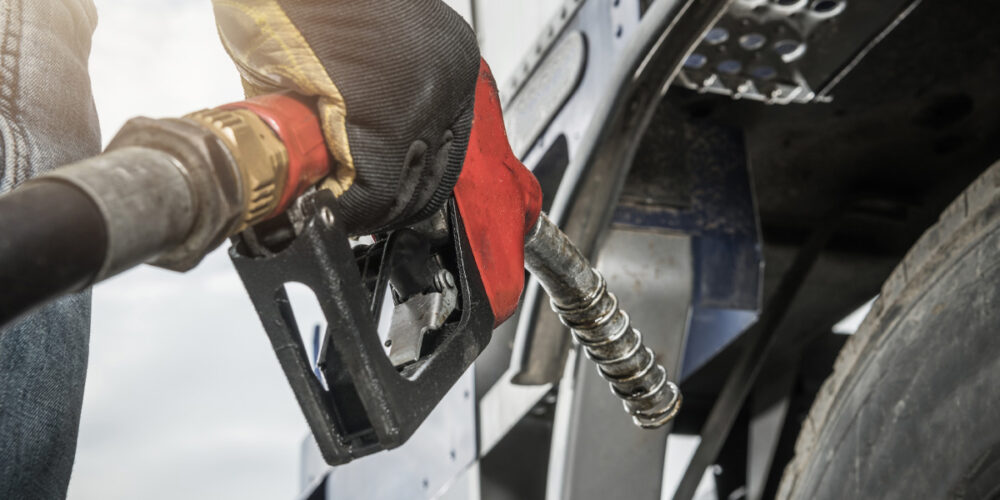
Fuel contamination isn’t new, it has been a persistent operational challenge since petroleum products began replacing coal, steam and wood as primary energy sources in the 20th century. As early internal combustion engines became more common, so did the challenges around fuel quality. Contaminants such as water, dirt, microbes and improper additives started turning up in storage tanks and pipelines, degrading fuel and damaging engines long before it was widely recognised in fleet management discussions.
For commercial fleets, fuel contamination isn’t just an inconvenience, it directly affects performance, uptime, maintenance costs, fuel efficiency, vehicle wear and tear, and ultimately the bottom line. When fuel integrity is compromised, engines can misfire, filters clog, combustion efficiency drops, and critical parts like injectors and pumps suffer accelerated wear. This means more garage time, more parts replaced prematurely, and more fuel wasted, a triple-hit to operational budgets.
In South Africa, fuel remains one of the largest operational costs for fleets. While comprehensive national figures on fleet-specific fuel spend are not published, total fuel consumption in South Africa runs into tens of billions of litres annually, with diesel and petrol together forming the backbone of commercial transport energy use. National data show that total annual transport fuel consumption (diesel, petrol, jet fuel, LPG and others) was around 25–27 billion litres in recent years, before the pandemic effects eased. What this highlights is that fleets which typically consume a disproportionate share of national fuel due to logistics, transport and service operations are running expensive assets that are highly sensitive to fuel quality.
Given this landscape, fuel contamination isn’t a hypothetical risk it’s a real, measurable drain on performance and profitability. The purpose of this article is to unpack how contaminants get into fuel, what signs to watch for, how contamination impacts operational costs, and what fleets can do to prevent fuel quality issues through smart management practices.
How Contaminants Enter Fleet Fuel Systems
Fuel contamination can happen at multiple points, from refinery to tank and everything in between:
- Storage and Handling: Fuel transported from terminals to depots is exposed to temperature shifts, condensation, and poor handling practices. If storage tanks aren’t sealed or cleaned regularly, water can accumulate at the bottom due to condensation, and dirt or debris from the environment can enter. Microbes thrive where water and organic materials mix, leading to biological contamination (like slime and microbes) that can clog filters and corrode metal. Once contaminated fuel is pumped into fleet vehicles, these particles circulate through delicate engine systems.
- Poor Transfer Practices: Every time fuel is transferred, from tanker truck to site tank, from site tank to vehicle, there’s risk of contamination. Use of unclean hoses, open tank vents, or old, unfiltered transfer equipment exposes fuel to dust, moisture and microbial ingress. Even tiny amounts of particulates or water can settle in filters and accumulate over time.
- Environmental Exposure: Outdoors stored tanks and fuel points are vulnerable to rainwater, insects, dust storms and temperature fluctuations. Without proper filtration and tank maintenance, contaminants can settle and mix into the fuel.
Fuel doesn’t magically become contaminated inside the vehicle, the condition had to originate earlier, usually long before it reaches the engine.
Signs Your Fleet May Have Contaminated Fuel
Spotting contaminated fuel early saves money and uptime. Here are key signs, and what they mean for fleet performance:
- Increased Filter Blockages: One of the earliest and most common symptoms of contaminated fuel is frequent fuel filter clogging. Contaminants such as dirt, rust particles and microbial sludge, build up and are trapped by filters. This forces you to replace filters more often, increasing parts and labour costs. More importantly, frequent clogging can restrict fuel flow, making engines work harder and reducing power output, affecting acceleration, load carrying and fuel economy.
- Poor Engine Performance or Misfires: Fuel contamination alters combustion quality. Water droplets don’t burn, and microbial byproducts can interrupt the smooth delivery of fuel to injectors. Engines running on compromised fuel can misfire or show inconsistent RPMs. For fleets, this means unpredictable vehicle performance, delayed deliveries, higher driver frustration, and an indirect increase in fuel consumption as drivers compensate for poor power delivery.
- Sudden Drops in Fuel Efficiency: A clean engine running on quality fuel performs close to its design efficiency. Contaminated fuel, heavier with particulates or water, disrupts this efficiency. Fleets often notice this as a sudden and unexplained increase in litres per kilometre. Over thousands of kilometres per vehicle per year, even a small drop in efficiency translates into huge extra fuel costs.
- Unusual Engine or Injector Wear: Water and particulates act like abrasives inside fuel pumps and injectors. Over time, this accelerates wear, leading to premature part failure. Technicians might spot pitting or scoring on injector tips and fuel pump surfaces, a clear sign of poor fuel quality. Parts that should last tens of thousands of kilometres may fail in a fraction of that, driving repair costs skyward.
The Costly Impact of Fuel Contamination on Fleets
The financial consequences of contaminated fuel ripple through fleet operations. Here’s how:
- Increased Maintenance and Repair Costs: Contaminated fuel damages fuel system components, filters, pumps, injectors, seals and engines. When these parts fail prematurely, the direct cost isn’t just the replacement part, it’s diagnostic time, labour, and vehicle downtime. Unplanned maintenance often costs up to three times more than scheduled work, because it disrupts operating schedules and can require emergency interventions.
- Higher Fuel Spend and Poor Efficiency: Contaminated fuel doesn’t burn as cleanly or efficiently, forcing vehicles to consume more fuel for the same work. With fuel prices being one of the largest variable costs for fleets, even a 2–3 % drop in efficiency can add hundreds of thousands of rand across a year for a large fleet. Furthermore, vehicles running contaminated fuel tend to idle more, produce incomplete combustion and trigger diagnostic trouble codes, all of which degrade overall fuel economy.
- Operational Delays and Reputation Damage: Downtime isn’t just a cost line item it affects service delivery. A delivery truck stuck at a workshop causes late deliveries, unhappy customers and potential contract penalties. For logistics and transport fleets, poor reliability directly impacts client trust and market competitiveness.
Ignoring early signs of contamination risks cascading failures. What starts as filter issues can evolve into complete engine failure, forcing vehicles off the road for longer, entirely avoidable periods.
Best Practices for Preventing Fuel Contamination
Proactive prevention is far cheaper than crisis response. Industry-proven measures include:
- Regular Tank and Equipment Cleaning: Periodically draining and cleaning storage tanks removes water, sludge and sediments. Regular inspection of tank vents, lids, seals and transfer hoses ensures contaminants can’t enter from outside.
- Quality Filtration at Every Point: Install and maintain high-quality filters at bulk storage, dispensers and vehicle inlets. Multi-stage filtration systems remove water and particles before they reach sensitive engine components.
- Controlled Fuel Transfer Practices: Use dedicated, clean hoses and connectors for fuel transfer. Regularly inspect and test pumps and transfer lines for leaks and contamination points. Train operators to avoid open tank vents and manual fuel handling shortcuts.
- Routine Fuel Quality Testing: Schedule fuel sampling and testing for water content, microbial presence and particulate levels. Early testing catches problems before equipment damage occurs and gives managers data to act on.
Training Teams to Detect Fuel Contamination Early
Even the best systems fail without skilled people behind them. Fleet operators can integrate robust staff training to catch contamination early:
- Spotting Early Warning Signs: Train drivers and technicians to recognise filter blockages, unusual engine behaviour, drops in fuel efficiency, and warning lights. Encourage daily pre-trip checks focusing on fuel system indicators.
- Proper Fuel Handling Procedures: Staff should know how to operate tanks, pumps and transfer systems safely. Educate them on closing vents, checking tank seals, cleaning fuel areas, and avoiding cross-contamination between fuel grades.
- Safety Protocols for Contaminated Fuel: When contamination is suspected, crews should follow clear protocols: isolating the affected fuel source, reporting immediately to supervisors, draining and cleaning affected tanks, and testing before reuse. This avoids spread to other vehicles and costly system damage.
Detect Early, Save Big
Fuel contamination is more than a technical annoyance, it’s a strategic cost issue. Early detection can mean the difference between routine maintenance and catastrophic equipment failure. By paying attention to fuel quality, training teams to spot early signs, and adopting proactive fuel monitoring practices, fleets protect performance, reduce downtime, and save significant money.
One of the strongest allies in this fight? Advanced fuel management systems that monitor fuel quality and usage in real time, giving managers the data needed to intervene early, set performance alerts and prevent issues before they impact operations.
Contact Us
With Landmark FuelSecure’s advanced fuel probe technology and powerful, cloud-based fuel management dashboard, you gain real-time visibility into fuel usage, quality trends, and performance alerts, all designed to help you detect issues early and act fast. If you’re ready to prevent fuel contamination before it impacts your fleet, speak to Landmark FuelSecure today and take the first step toward smarter fuel management.

