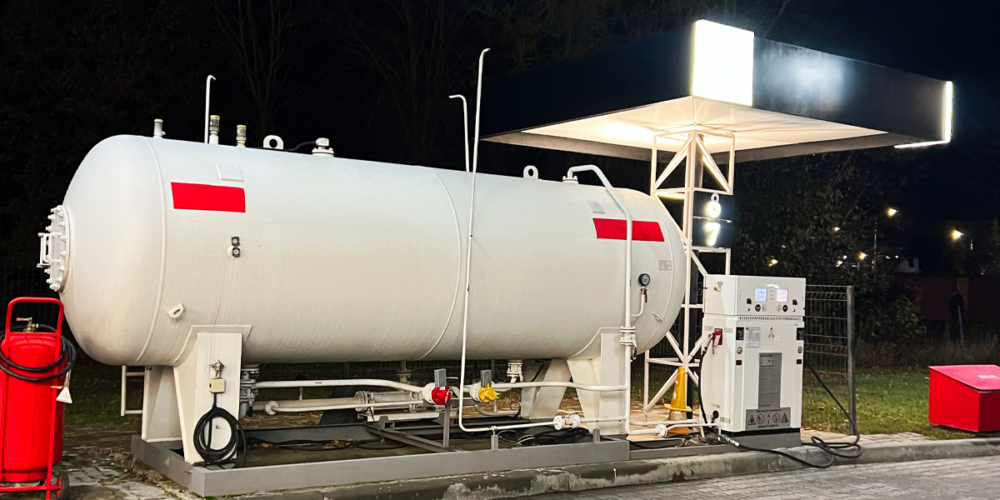
Across industries such as mining, agriculture, logistics, and maritime, fuel is consumed in large volumes every single day. It powers heavy machinery, supports transport fleets, and ensures that operations continue without interruption.
However, despite the importance of fuel to business operations, many businesses tend to focus more on procurement and usage, meaning fuel storage is often overlooked. Poor fuel storage does not just affect what is sitting in your tank, it creates a ripple effect across your entire operation. From reduced fuel quality and increased consumption to machinery wear and unplanned downtime, the consequences compound quickly.
What may seem like a small oversight in storage conditions can quietly drain your budget and disrupt your efficiency. Let’s explore the hidden costs of poor fuel storage and, more importantly, how you can avoid them before they impact your bottom line.
When Stored Fuel Starts Working Against You
Fuel is not a static product, if not stored correctly, the chemical composition changes, which if left unchecked, can become a serious problem for fleets.
Understanding Fuel Degradation
Fuel degradation occurs quietly and often without clear warning signs, gradually impacting fuel quality over time. When fuel is stored in poor or inadequate conditions, the chemical accelerates, particularly in environments such as:
- Excessive heat or fluctuating temperatures
- Exposure to air due to poorly sealed tanks
- Prolonged storage without circulation
- Moisture entering the tank
As fuel degrades, it loses its effectiveness, the chemical changes can lead to the formation of sediments and gum build-up, and if left unmanaged, this can reduce combustion efficiency, place strain on fuel pumps, and result in more frequent filter replacements.
The Reality of Fuel Contamination
Unlike fuel degradation, which happens gradually, fuel contamination can happen suddenly and often remains undetected within storage tanks. Common sources of fuel contamination include:
- Water ingress from condensation or leaks
- Dirt, rust, or debris entering storage tanks
- Microbial growth in the presence of water
- Cross-contamination from improper fuel handling
Contaminated fuel disrupts the combustion process, it can clog filters, damage injectors, and reduces engine performance. In severe cases, it can cause complete system failure. The key takeaway is simple – if your storage conditions are not controlled, your fuel is no longer an asset, it becomes a liability.
How Poor Fuel Quality Disrupts Your Operations
When degraded or contaminated fuel enters your machinery, the impact is both immediate and far-reaching. Engines rely on clean, high-quality fuel to perform efficiently, and when that quality is compromised, combustion becomes less effective. This results in reduced power output, increased fuel consumption, and added strain on critical engine components.
Over time, vehicles and machinery begin to underperform, struggling to meet the demands of daily operations. This decline does not remain isolated, it creates a ripple effect across your entire operation, where delays in one area begin to affect others. Delivery schedules slip, production targets are missed, and fuel usage increases without a corresponding improvement in output.
In many cases, businesses respond by overcompensating through increased fuel allocation or additional operational buffers, rather than identifying and addressing the root cause of the problem. This ripple effect inevitably leads to rising maintenance demands and costly downtime.
As fuel quality continues to impact performance, components such as filters, injectors, and fuel pumps experience accelerated wear and require more frequent replacement. Maintenance intervals become shorter, and the likelihood of unexpected breakdowns increases. Each instance of downtime not only incurs direct repair and labour costs but also disrupts productivity, delaying operations and affecting service delivery.
In industries that depend heavily on fuel for daily operations, even minor disruptions can have significant consequences, turning what began as a storage issue into a costly operational challenge.
The Risks You Cannot Afford to Ignore
Beyond operational inefficiencies, poor fuel storage introduces serious environmental and safety risks that can impact your business on a much larger scale. Improper storage conditions increase the likelihood of fuel leaks, spills, and hazardous exposure, all of which can have damaging consequences.
Fuel leaks can contaminate soil and water sources, while vapour build-up in poorly maintained tanks can create fire hazards. At the same time, employees working in close proximity to compromised storage systems may be exposed to harmful substances, placing their health and safety at risk. These incidents do not just pose immediate dangers, they also require time, resources, and intervention to resolve, adding further strain to your operations.
These risks often lead directly to compliance and regulatory challenges.
Many industries in South Africa are governed by strict standards when it comes to fuel storage and handling, with regulatory bodies requiring businesses to follow specific safety and environmental protocols. Failure to meet these standards can result in fines, legal action, or even operational shutdowns, along with long-term reputational damage.
To mitigate these risks, businesses need a structured and policy-driven approach to fuel management. By centralising fuel procurement, standardising storage practices, and maintaining clear oversight of fuel usage and quality, you can ensure that compliance requirements are consistently met. More importantly, this level of control allows you to proactively identify risks and address them before they escalate into costly or dangerous situations.
Smarter Fuel Storage Starts with the Right Practices
Avoiding the hidden costs of poor fuel storage does not require guesswork, it requires consistency, attention to detail, and the right systems in place. Rather than focusing on a single aspect of fuel storage, it is important to take a holistic approach. Below are key best practices, grouped into core areas, that should be considered when developing a reliable fuel storage protocol for your business.
Storage and Handling Best Practices
Fuel handling and storage go hand in hand. Implementing a structured system that staff are trained to follow can help maximise fuel security, improve staff safety, and support regulatory compliance. At the same time, it plays a critical role in reducing the risk of fuel contamination and degradation.
- Use high-quality, sealed storage tanks to prevent air and moisture ingress
- Store fuel in temperature-controlled environments where possible
- Conduct regular inspections for leaks, rust, or structural damage
- Implement proper filtration systems to remove contaminants
- Follow a first in, first out approach to prevent long-term storage
Maintenance and Monitoring
When businesses think about maintenance and monitoring, the focus is often placed on vehicles, machinery, or generators, while the storage tank itself is overlooked. However, maintaining your fuel storage system is just as important. After each usage cycle, checks should be conducted to ensure the tank is ready to safely store the next batch of fuel without contributing to contamination or unnecessary wear.
- Schedule regular tank cleaning to remove sediment and microbial growth
- Replace worn seals and components promptly
- Test fuel quality periodically
In addition to routine maintenance, implementing a fuel monitoring solution adds an extra layer of control and visibility. Real-time insights into your fuel levels and condition allow you to detect anomalies early, monitor fuel quality more effectively, and identify risks such as fuel theft or inefficiencies, particularly in industries where fuel losses are common.
- Monitor fuel levels and usage in real time
- Detect contamination or irregularities early
- Identify fuel losses due to theft or inefficiencies
- Track fuel consumption across your fleet
These insights allow you to act quickly and decisively. Instead of reacting to breakdowns or unexplained fuel losses, you can address issues before they escalate. The result is greater control, improved efficiency, and reduced operational risk.
Take Control Before Costs Take Over
Fuel storage is not just a technical requirement, it is a strategic priority.
When managed poorly, it leads to degraded fuel, damaged machinery, increased costs, and operational disruption. It exposes your business to safety risks and regulatory challenges that can have long-term consequences.
But when managed correctly, fuel storage becomes a source of stability and efficiency. It supports consistent performance, reduces waste, and protects your bottom line.
If you want to eliminate the hidden costs of poor fuel storage, you need visibility, control, and the right tools to manage your fuel effectively. Landmark FuelSecure provides advanced fuel monitoring solutions designed to give you exactly that. With real-time insights, reliable tracking, and a system built to suit a wide range of operations, you can take control of your fuel before it impacts your business.