


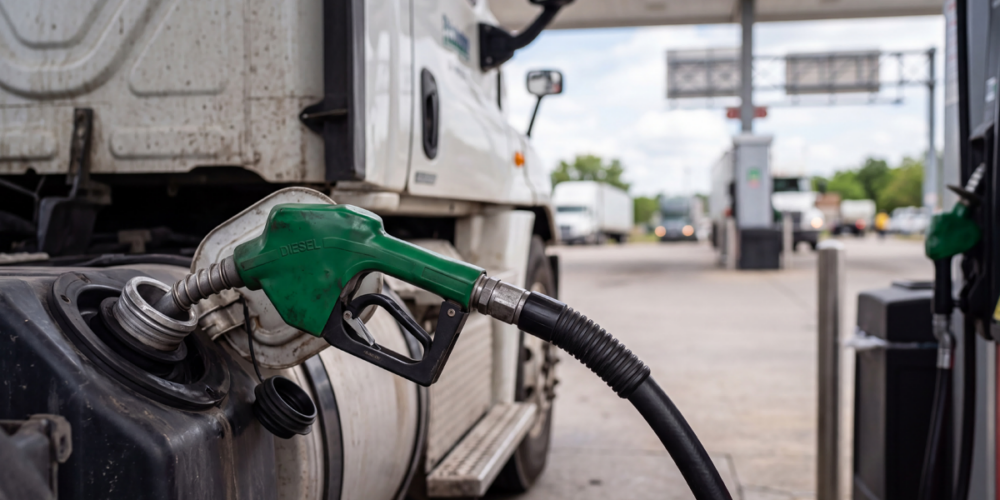
As a fleet manager, you know that fuel is one of the ongoing expenses that can put pressure on your operating budget. With fuel prices fluctuating and fuel theft and fraud remaining concerns for transport businesses, keeping a close eye on every litre matters. But what happens when the fuel your business is paying for is not making it to its destination?
When fuel costs start climbing, theft or driver-related fraud might be among the first things you investigate. However, a mechanical issue such as a fuel leak could also be contributing to the problem. Unlike a clear discrepancy in a fuel report, a small leak may go unnoticed until it has resulted in significant fuel losses, vehicle downtime or an expensive repair.
South African businesses have good reason to take fuel consumption seriously. As of 7 October 2026, wholesale diesel prices were approximately R31.08 per litre for 0.05% sulphur diesel in coastal areas and R31.95 per litre inland according to the Department of Mineral and Petroleum Resources. So, how do you identify a fuel leak before it starts affecting your bottom line?
The answer lies in a two-pronged approach that combines traditional physical inspections with modern fuel monitoring technology. Mechanical checks help you identify visible damage and potential faults, while monitoring technology provides valuable insight into fuel levels and consumption patterns.
Together, these approaches can help you spot warning signs earlier and respond before a minor problem develops into a bigger operational concern. Let’s explore how you can detect, address and prevent truck fuel leaks while maintaining better control over your fleet’s fuel expenditure.
Look Beyond the Fuel Tank: Recognising the Signs of a Leak
When it comes to protecting your fleet, technology and hands-on vehicle inspections should work together. Neither approach replaces the other but combining them can give you a clearer picture of your vehicles’ condition and fuel usage.
Start With Regular Physical Inspections
A routine vehicle inspection can reveal warning signs that might otherwise go unnoticed. Drivers and maintenance teams should be encouraged to look for visible signs of fuel loss before a truck begins its next journey.
For example, a diesel smell around a parked vehicle, wet patches beneath the truck or visible fuel residue around the tank and associated components may indicate a leak. Damaged hoses, loose connections, worn seals and corrosion around fuel system components can also warrant further investigation.
Inspections should include the fuel tank, fuel lines, connections, filters and other accessible components of the fuel system. The vehicle’s underside and parking area should also be checked for signs of leaking fluid. Any suspected leak should be investigated by a suitably qualified mechanic rather than dismissed as a minor issue.
Regular maintenance is equally important, identifying deterioration, addressing worn components and following the vehicle manufacturer’s maintenance recommendations can help reduce the risk of fuel system problems developing unnoticed.
However, physical inspections have their limitations, a leak may occur while a vehicle is travelling, during a long delivery route or when the truck is parked somewhere that is not routinely inspected. A visual check performed at the start of a shift cannot tell you everything that happens to the fuel supply throughout the day. This is where fuel monitoring technology becomes valuable.
Use Fuel Monitoring Technology to Identify Irregularities
Fuel monitoring gives fleet managers greater visibility into what is happening inside a vehicle’s fuel tank. Rather than relying exclusively on manual records and driver reports, a monitoring solution can provide real-time readings and information about fuel levels and consumption.
Landmark FuelSecure’s fuel monitoring solutions use fuel probe technology alongside GPS tracking technology and data management tools to help businesses monitor fuel usage. With access to real-time fuel readings, transaction information and reporting through a centralised platform, fleet managers can investigate unexpected changes in fuel levels and identify potential fuel theft or inefficiencies.
For example, imagine that a truck leaves the depot with a recorded fuel level and begins its scheduled journey. During the trip, the monitoring system records a sudden decrease in fuel that does not appear consistent with the vehicle’s expected consumption. That discrepancy deserves attention. It could indicate a leak, siphoning or another issue that requires investigation.
The monitoring data alone will not necessarily establish the cause, but it can help the fleet manager identify when the irregularity occurred and direct the maintenance team towards the appropriate checks. Similarly, recurring discrepancies between expected and actual fuel consumption can prompt an investigation into possible mechanical problems, unusual operating conditions or unauthorised fuel loss.
The key benefit is that fleet managers do not have to wait until the next manual fuel reconciliation to begin asking questions. With real-time readings, scheduled alerts and detailed fuel usage reports, potential issues can be investigated sooner.
Why Combining Both Approaches Matters
Consider the difference between discovering a puddle beneath a truck during a morning inspection and identifying an unexplained drop in fuel levels while the vehicle is on the road. The first provides a physical indication of a possible problem. The second provides information about a change in fuel levels that may help pinpoint when further investigation is needed.
When these two approaches work together, your business has a stronger foundation for identifying and responding to fuel loss. Monitoring data can highlight unusual activity, while a physical inspection and mechanical assessment can help establish the cause.
This is particularly important because a fuel level discrepancy is not automatically proof of a leak. Fuel theft, inaccurate readings, operating conditions and other factors may also need to be considered. By combining reliable data with proper mechanical inspections, you can make more informed decisions, reduce reliance on guesswork and help prevent avoidable losses.
From Warning Sign to Solution: Taking Action on Fuel Leaks
A fuel leak is more than an unnecessary expense, it can create a workplace safety hazard. The vehicle should be taken out of service where necessary, and the company’s established safety procedures should be followed. If the leak is significant or the vehicle may be unsafe, it should not continue operating until it has been assessed and declared safe.
Employees should not attempt makeshift repairs to fuel system components. Instead, the vehicle should be inspected by a qualified mechanic who can identify the damaged part and complete the necessary repairs in accordance with the manufacturer’s specifications.
Businesses can also reduce the likelihood of recurring problems by introducing consistent vehicle inspection procedures, maintaining accurate service records and ensuring that reported faults are addressed promptly. Fleet managers should also review the vehicle’s fuel monitoring records to understand when the fuel loss began and whether similar discrepancies occurred previously.
This additional step can help establish whether the issue was an isolated mechanical fault or part of a wider fuel management concern. Once repairs have been completed, continued monitoring can help the fleet manager assess whether fuel levels and consumption have returned to expected patterns.
By connecting maintenance procedures with fuel monitoring data, your business can move beyond reacting to individual incidents and begin identifying recurring problems that may affect overall fleet efficiency.
Make Every Drop Count With Smarter Fuel Management
Fuel costs can place considerable pressure on a transport business, particularly when every vehicle needs to operate efficiently to keep deliveries and schedules on track. While fuel theft and fraud deserve attention, mechanical problems such as undetected leaks should not be overlooked. A small leak can result in ongoing financial losses, while a more serious issue can lead to vehicle downtime, costly repairs and unnecessary safety risks.
With fuel monitoring from Landmark FuelSecure, your business can gain greater visibility into fuel levels, consumption patterns and transactions from start to finish. The FuelSecure Dashboard offers real-time readings, scheduled alerts and comprehensive reports, helping you make better-informed decisions about your fleet’s fuel usage.
Whether you manage a handful of trucks or a larger fleet, taking a proactive approach to fuel monitoring can help you identify potential inefficiencies, investigate unexplained fuel losses and maintain greater control over operating costs.
Partner with Landmark FuelSecure to explore a fuel monitoring solution that suits your business and helps you make every drop count.
